Fertilizer basics are simpler than the bags make them look, because most garden feeding comes down to three nutrients, a soil test, and not overdoing nitrogen. Healthy soil already supplies much of what plants need, and compost feeds slowly while improving structure. Learn what the numbers mean, feed hungry crops at the right time, and your vegetables will grow steadily without soft, pest-prone growth.
Quick Answer
- The three numbers are nitrogen, phosphorus and potassium, in that order.
- 10-10-10 is a balanced example.
- A soil test should come before heavy feeding.
- Too much nitrogen gives leaves instead of fruit.
- Compost feeds slowly and improves soil at the same time.
- Side dress hungry crops like corn and tomatoes during the season.
Step by Step
- Read the numbers. Fertiliser bags show N-P-K: nitrogen for leaf growth, phosphorus for roots and fruit, and potassium for overall health and disease resistance. A 10-10-10 bag contains 10 percent of each, a balanced feed for general use.
- Test before you feed heavily. Get a soil test through your local extension service before adding large amounts of fertiliser. It tells you pH and nutrient levels, so you feed only what is actually missing.
- Build with compost first. Add compost every season as your base feed. Compost releases nutrients slowly, improves drainage and water holding, and supports soil life that makes nutrients available to roots.
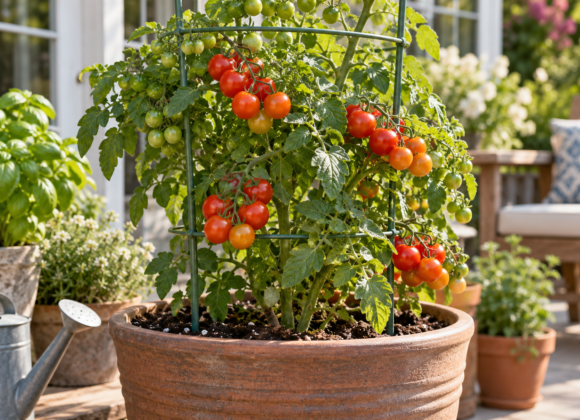
- Feed hungry crops in season. Side dress corn, tomatoes, squash and brassicas during growth by spreading fertiliser or compost beside plants and watering it in. Light, repeated feeds beat one heavy dose.
- Watch nitrogen. Too much nitrogen produces lush leaves at the expense of fruit, and soft growth that attracts aphids. If plants are leafy but fruitless, cut back nitrogen and check phosphorus and potassium.
- Water after feeding. Always water fertiliser in well, and never apply strong fertiliser to dry soil or stressed plants. This prevents root burn and moves nutrients into the root zone.
Common Mistakes to Avoid
- Feeding heavily without a soil test and creating nutrient imbalances.
- Using too much nitrogen and getting leaves instead of harvests.
- Applying fertiliser to dry soil, which can burn roots.
Related Guides
Feed the soil first, test when in doubt, and use fertiliser as a targeted top-up rather than a cure-all.
That balanced approach keeps plants healthy without excess growth.
Keep notes on what you feed and when, so next season starts from knowledge.