
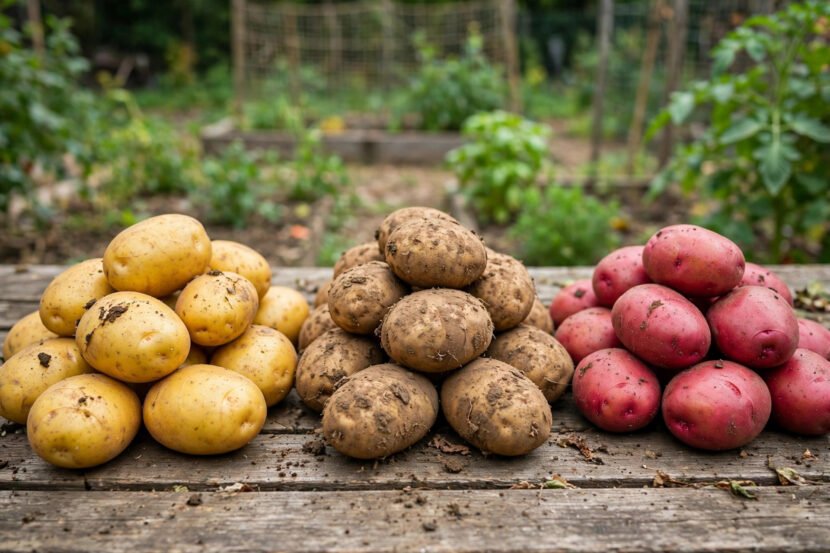
Yukon gold potatoes are the middle ground of the potato world, and that is exactly why so many home gardeners plant them first. They are not as starchy as a russet and not as waxy as a red potato, so they work for mashing, roasting, boiling and soups without ever falling apart or turning gluey. …
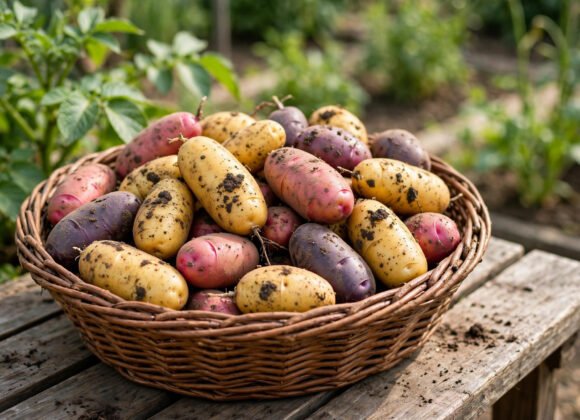
Fingerling potatoes are small, long and full of flavour, and they grow just as easily as any other potato in a home garden. They need the same loose soil, the same full sun and the same steady water as a russet or a red potato, and they repay a little care with a harvest of …
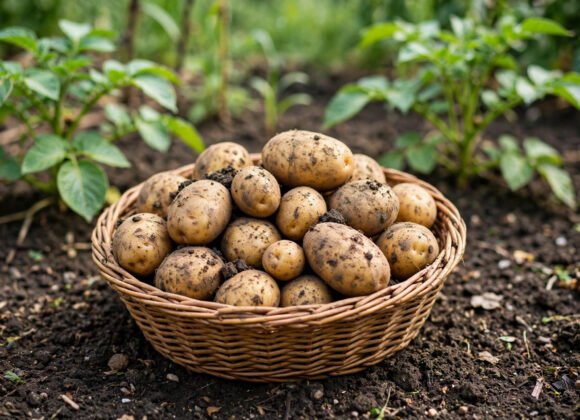
How many potatoes per plant should you expect from your own garden? The honest answer is that most home gardeners harvest about 1 to 5 pounds per plant, which usually works out to roughly 5 to 10 tubers, and the exact number depends on the variety, the spacing, the water and the length of the …
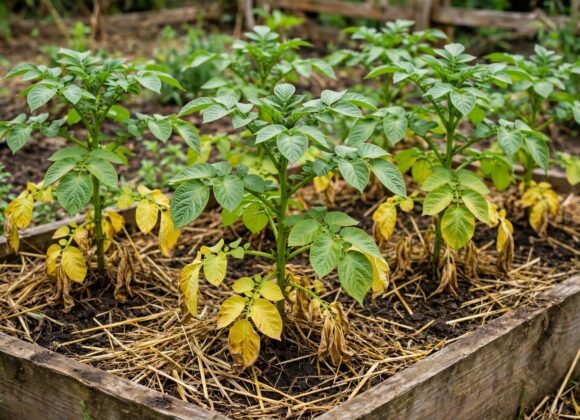
Why Are My Potato Leaves Turning Yellow? A Diagnosis Guide Potato leaves turning yellow is one of the most common worries in a home potato bed, because the same yellow leaves can mean the crop is finishing up nicely, or that something is going wrong underground. A gardener who sees yellow leaves in August after …
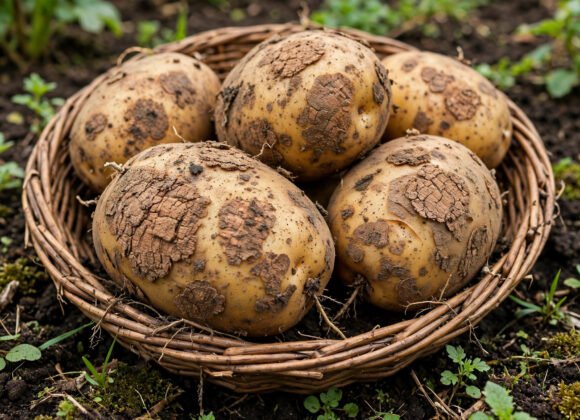
Potato scab is the most likely reason your harvest comes out of the ground looking rough and patchy, even when the plants above ground looked healthy all season. The rough brown patches are not a sign that your potatoes are rotten or unsafe, because potato scab is a skin disease that usually leaves the flesh …
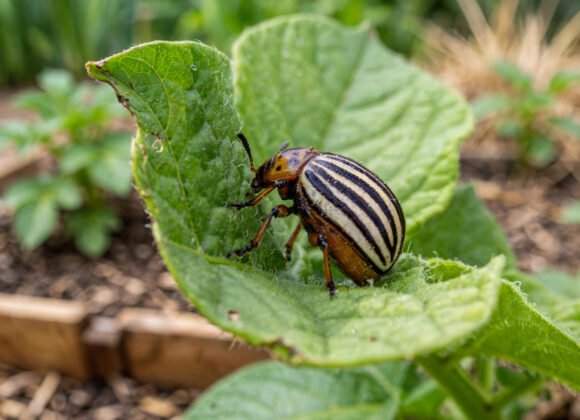
Colorado potato beetle is the most common potato pest in home gardens across the United States, and a small group of beetles can strip a young plant bare in a matter of days. The good news is that this pest is easy to spot once you know what to look for, because the adults wear …
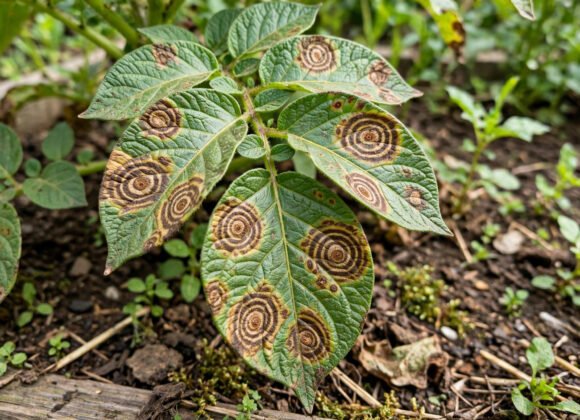
Potato blight is the potato disease most home growers worry about, and early blight and late blight are not the same problem. One of them moves slowly and usually costs you leaves, while the other can take a whole planting down in a matter of days when the weather turns cool and wet. The trouble …
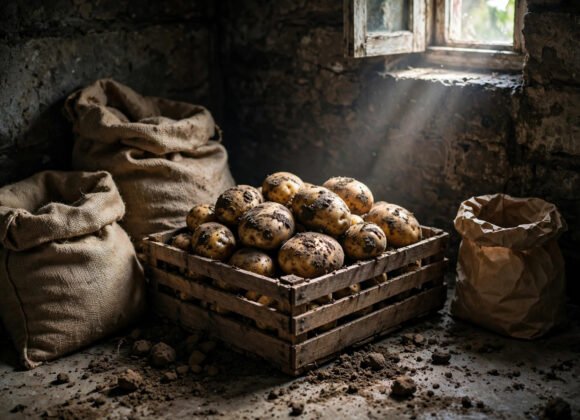
How to store potatoes so they last for months comes down to four simple conditions, and none of them needs special equipment. The tubers need a cool spot, total darkness, steady airflow and high humidity, and they need to go into that spot cured, dry and unwashed. When those conditions are met, a homegrown harvest …
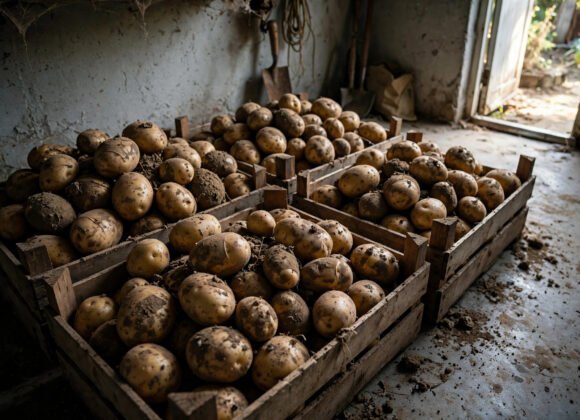
How to cure potatoes is one of the simplest steps in the whole growing season, and it is also the step that decides whether your harvest keeps for weeks or for months. Curing means giving freshly dug potatoes a short rest in a dark, humid place with good airflow, so their skins can thicken and …