Vegetable plant diseases can turn a promising garden into a disappointment, but most are preventable with spacing, air flow and careful watering. Learning to recognise blight, blossom end rot and powdery mildew helps you act early, remove affected leaves, and protect the rest of the crop. Many problems that look like disease are actually watering or nutrient issues, so diagnosis matters.
Quick Answer
- Tomato blight shows as dark spots with yellow halos on leaves.
- Blossom end rot is a calcium and uneven watering problem, not an infection.
- Powdery mildew looks like white dust on leaves.
- Spacing and air flow prevent many diseases.
- Water at the base and remove badly infected leaves promptly.
Step by Step
- Recognise blight. Tomato blight often starts as dark spots with yellow halos on lower leaves, spreading upward in wet weather. Remove affected leaves at once, avoid working with wet plants, and do not compost diseased material.
- Understand blossom end rot. Blossom end rot shows as a dark, sunken patch on the blossom end of tomatoes, squash or peppers. It is caused by uneven watering and calcium uptake problems, not by a fungus, so steady watering and mulching are the cure.
- Spot powdery mildew. Powdery mildew looks like white dust or patches on leaves, especially in warm, humid, crowded plantings. Improve air flow, space plants well, and remove badly affected leaves to slow its spread.
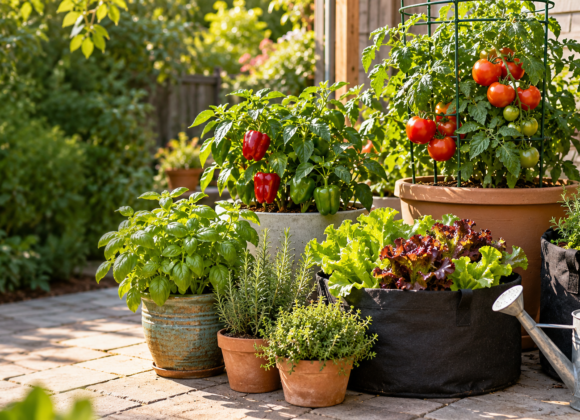
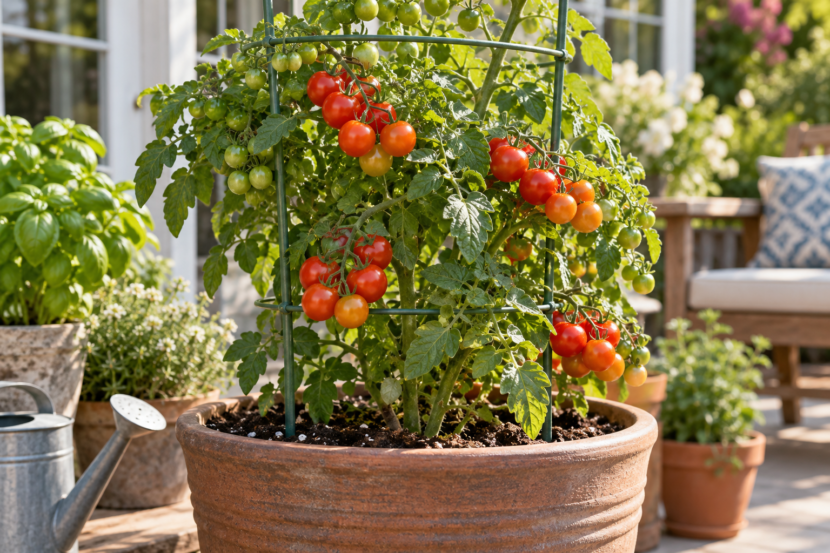
- Prevent with spacing and air. Give plants their full spacing, prune for air flow, and stake or trellis sprawling crops. Dry leaves and moving air are the simplest disease prevention available.
- Water at the base. Water soil, not leaves, preferably in the morning so any splashes dry quickly. Overhead watering in the evening keeps leaves wet all night and invites fungal disease.
- Rotate and clean up. Rotate crop families each year, clean up diseased plants at season end, and choose resistant varieties where available. Good hygiene breaks disease cycles in the soil.
Common Mistakes to Avoid
- Treating blossom end rot with fungicide, when the real fix is even watering.
- Composting diseased plants and spreading the problem next season.
- Planting too closely, so leaves stay wet and disease spreads fast.
Related Guides
Most vegetable diseases are manageable when you catch them early, keep leaves dry, and give plants the space and air they need.
That early, steady care is what keeps diseases manageable.