Choosing the best vegetables to grow is really about value: which crops taste far better fresh, save you the most money, or use your space best. Tomatoes, herbs, leafy greens and potatoes all earn their place for different reasons, and the best garden mixes fast crops with long-storing ones. Plan around what your family eats most, and you will waste less and enjoy every harvest more.
Quick Answer
- Tomatoes give the biggest taste gain over shop bought fruit.
- Herbs cost little space and save money all season.
- Lettuce and greens are fast and repeatable.
- Potatoes store for months after harvest.
- Expensive shop vegetables are worth garden space first.
Step by Step
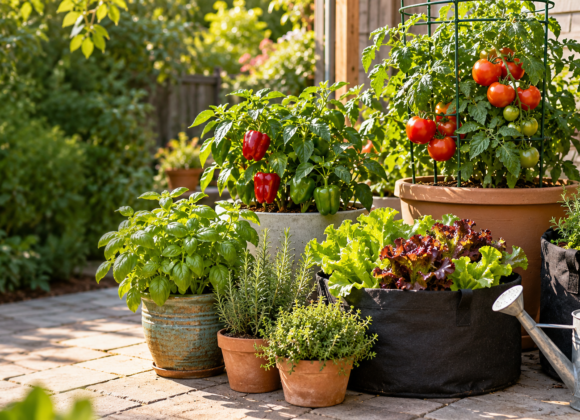
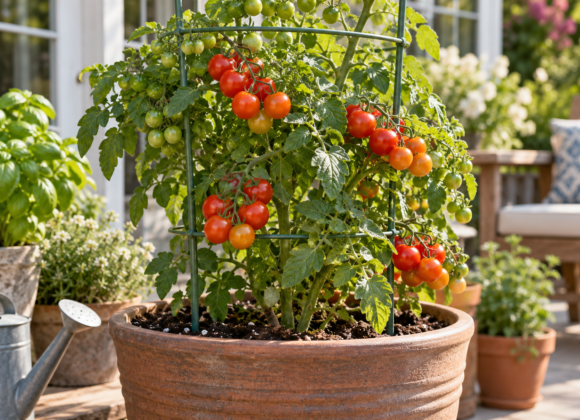
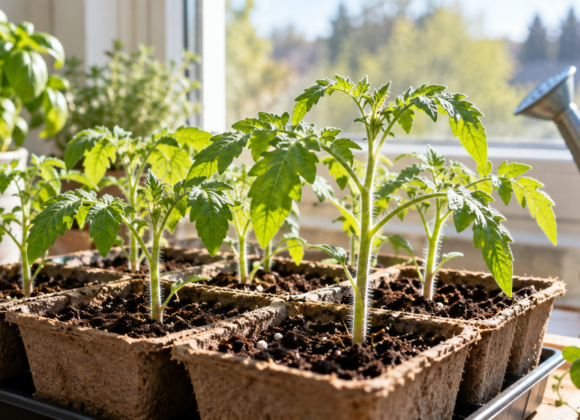
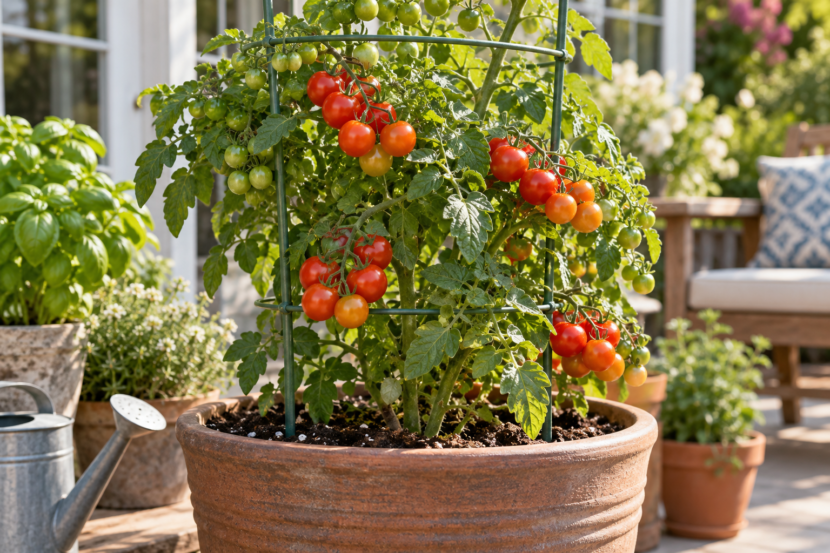
- Start with tomatoes. A homegrown tomato, picked ripe and warm from the plant, tastes nothing like a pale shop tomato. Grow a few plants in sun, stake them at planting, and water evenly for the best flavour and fewest cracked fruits.
- Add herbs by the kitchen door. Basil, parsley, mint and chives need only a pot or a small patch, yet they save money every week because a small shop bunch is expensive and often wasted. Keep them close so you actually pick them daily.
- Keep lettuce and greens going. Sow short rows every two weeks and harvest outer leaves or cut above the crown so plants regrow. Fast, repeatable greens mean fresh salads for months from a very small area.
- Grow potatoes for storage. Plant seed potatoes in a trench, hill soil around the stems as they grow, and lift them once the tops die back. Properly cured potatoes store for months, turning a small patch into winter food.
- Prioritise expensive shop crops. Look at your shopping list and give garden space first to the vegetables that cost most to buy, such as salad leaves, herbs, beans and courgettes. Cheap, bulky crops can wait until you have more room.
- Balance fast and slow crops. Mix quick radishes and lettuce with slower tomatoes and potatoes so the garden keeps producing while longer crops mature. That balance keeps the kitchen supplied and the gardener motivated.
Common Mistakes to Avoid
- Growing crops nobody in the family likes just because they are popular.
- Planting too many tomatoes and too few everyday greens and herbs.
- Ignoring storage, so a big potato or squash harvest is wasted instead of kept.
Related Guides
With those priorities in mind, even a modest garden can keep the kitchen well supplied through the growing season.