
Common garden weeds are plants growing where you do not want them, and they compete with vegetables for water, light and nutrients. Learning to recognise pigweed, crabgrass and purslane helps you pull the right plants at the right time, before they set seed and multiply. Weeds are easiest to control when they are small, and …
Vegetable plant diseases can turn a promising garden into a disappointment, but most are preventable with spacing, air flow and careful watering. Learning to recognise blight, blossom end rot and powdery mildew helps you act early, remove affected leaves, and protect the rest of the crop. Many problems that look like disease are actually watering …
Garden pest identification and control starts with a simple rule: identify the pest before you treat it, because not every bug is harmful and many are helpful. Aphids, cabbage worms and flea beetles all look different and need different responses, yet most home garden pests can be handled with row covers, hand picking and water. …
The best soil for a vegetable garden is loose, dark loam that drains well but still holds moisture, and it is built over time rather than bought in a single bag. Most vegetables like a slightly acidic to neutral soil, plenty of organic matter, and a structure that roots can push through easily. Test, add …
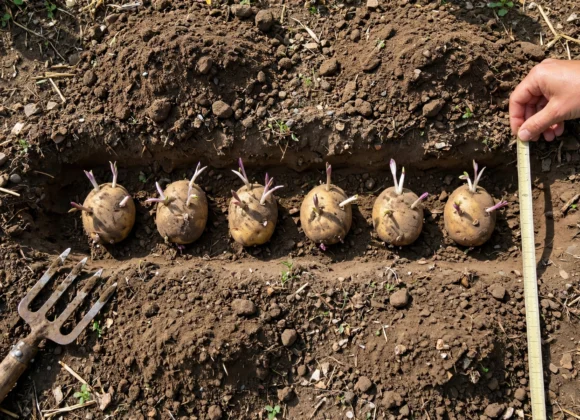
Fertilizer basics are simpler than the bags make them look, because most garden feeding comes down to three nutrients, a soil test, and not overdoing nitrogen. Healthy soil already supplies much of what plants need, and compost feeds slowly while improving structure. Learn what the numbers mean, feed hungry crops at the right time, and …
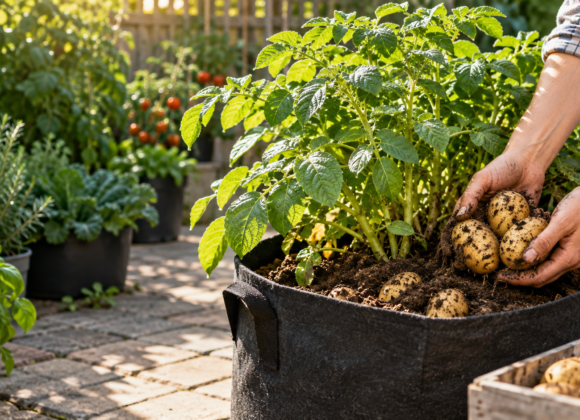
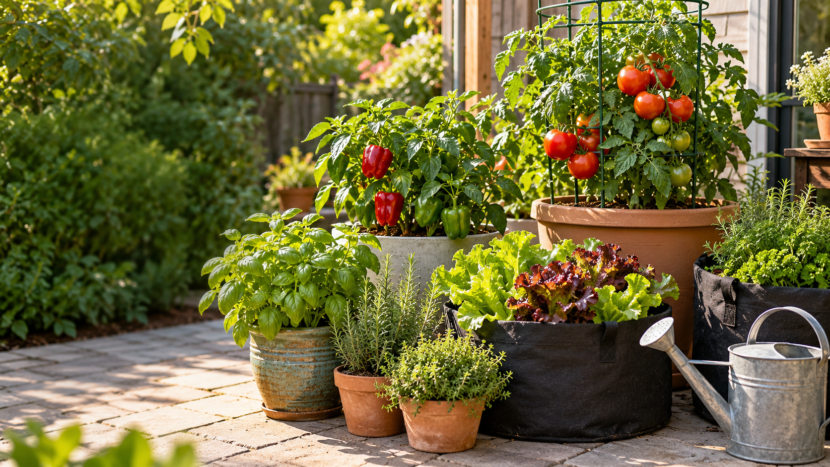
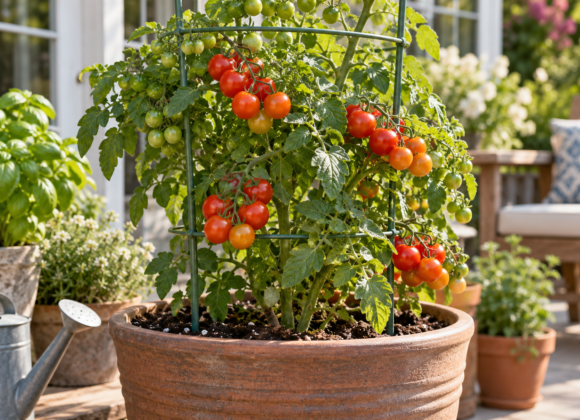
Small space vegetable gardening is about growing more in less room, and it is surprisingly productive once you think vertically, choose compact varieties and keep every square filled. A balcony, patio or tiny yard can supply salads, herbs and beans for months. The key is to plan by square foot, not by bed, and to …
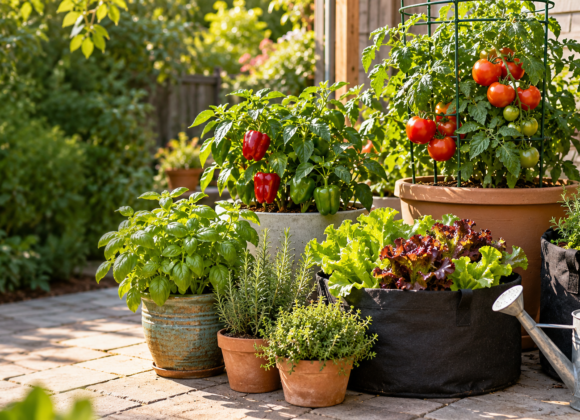
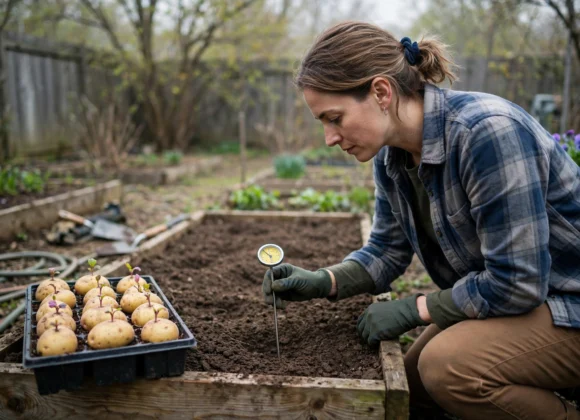
A raised bed vegetable garden is one of the best ways to grow more food in less space, with better soil and easier access. Raised beds warm earlier in spring, drain better than ground beds, and let you control soil quality from the start. With a simple wooden frame, a good soil mix and a …
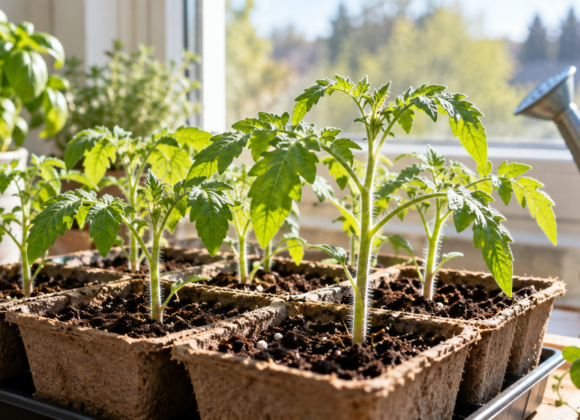
Starting seeds indoors is the best way to get a head start on the season, especially for slow crops such as tomatoes and peppers that need a long, warm summer. Indoor sowing also saves money, lets you grow unusual varieties, and gives you strong transplants ready for the moment frost passes. With clean containers, good …
USDA hardiness zones are the simplest way to understand what will survive winter in your garden, and they are the starting point for choosing plants and planting dates. Each zone is based on average winter low temperatures, so a plant rated for your zone should survive a typical winter there. Zones do not tell you …