

A vegetable planting calendar is a helpful starting point, but the dates that matter most are your own frost dates and USDA zone, not the month printed on a chart. Two gardeners in the same month can plant very different crops if one still faces frost and the other does not. Learn your last spring …
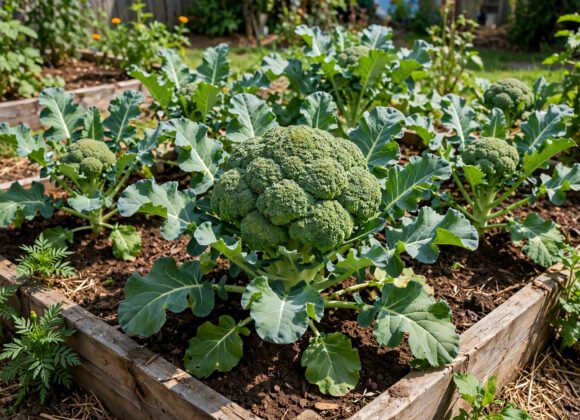
Learning how to grow broccoli gives you a cool season crop that keeps giving long after the first harvest. Broccoli is a member of the cabbage family that prefers cool weather, moist soil and plenty of compost, and once you cut the main head, side shoots keep coming for weeks. Start plants indoors or buy …
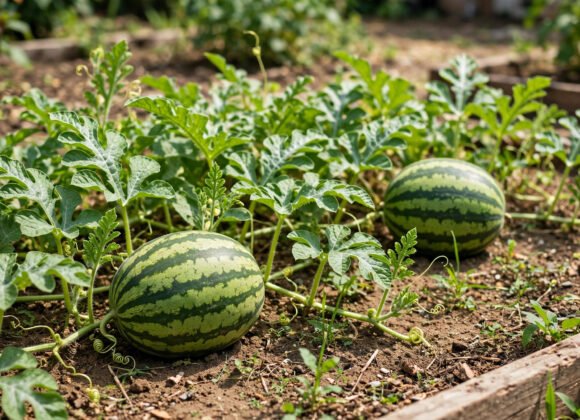
Learning how to grow watermelons is a summer adventure, because few things beat cutting into a sweet melon you grew yourself. Watermelons need full sun, warm soil and plenty of room for their vines to spread, but they are not difficult once you give them those basics. Choose a variety that fits your season, water …
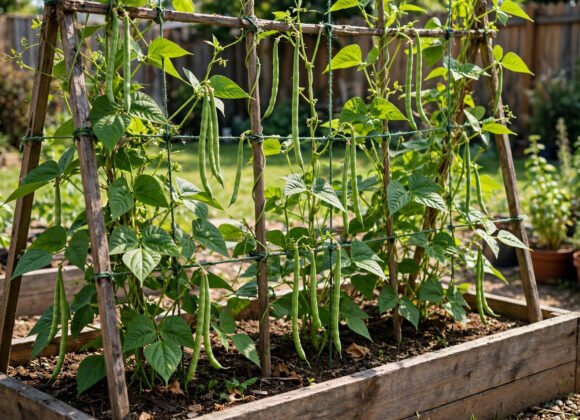
Learning how to grow green beans is one of the most satisfying beginner projects, because a few plants produce armfuls of tender pods all summer. Beans are warm season crops that hate cold soil, so timing matters more than fancy care. Sow them after frost, give pole types a trellis, and pick often to keep …
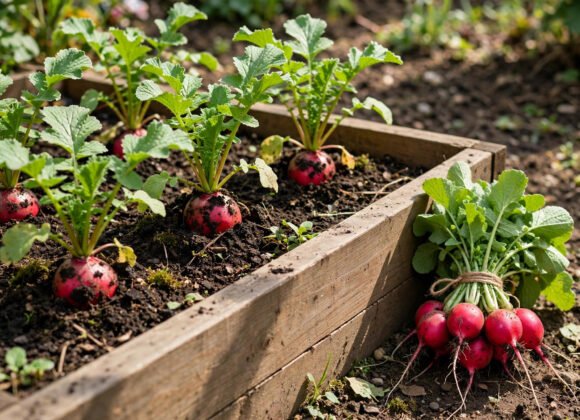
Learning how to grow radishes is the fastest way to enjoy a homegrown harvest, because these crisp roots can be ready in less than a month. Radishes are ideal for beginners, children and small beds, and they make excellent filler crops between slower vegetables. Sow them shallowly, keep the soil moist, and thin them early …
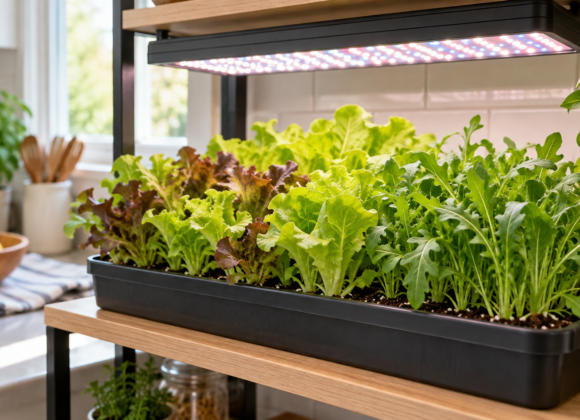
Learning how to grow lettuce is one of the easiest wins in the vegetable garden, because it is fast, forgiving and keeps producing for weeks. Lettuce is a cool season crop that thrives in spring and fall, and a short row sown every two weeks will keep salads coming without a glut. Give it rich …
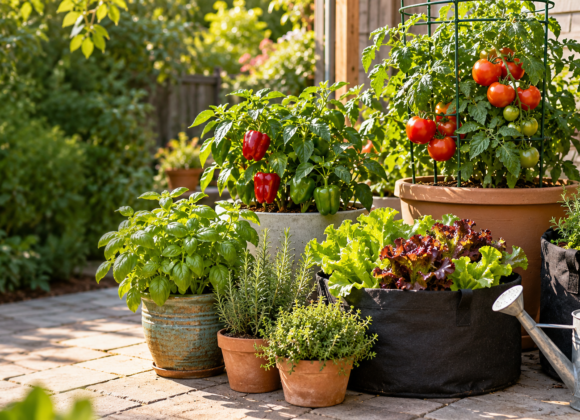
Learning how to grow strawberries at home is worth every bit of effort, because freshly picked berries taste far sweeter and more fragrant than shop bought punnets. Strawberries need full sun, well-drained soil and a little attention to runners, but they reward you with fruit in the first year and for several years after. Choose …
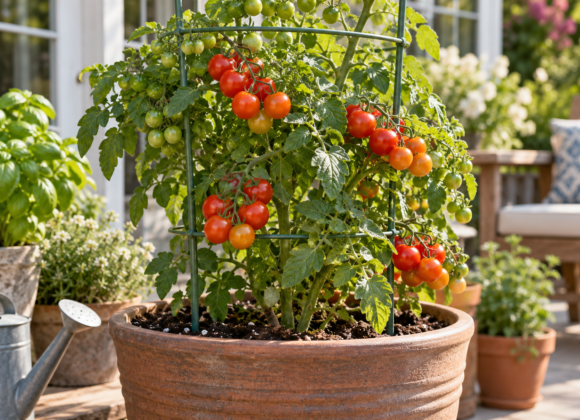
Learning how to grow tomatoes is the gateway to serious vegetable gardening, because few crops reward good care so richly. A sun-loving tomato plant, staked well and watered evenly, can produce dozens of sweet fruits over a long season. Start with healthy plants, plant them deep, and give them room and support from day one. …
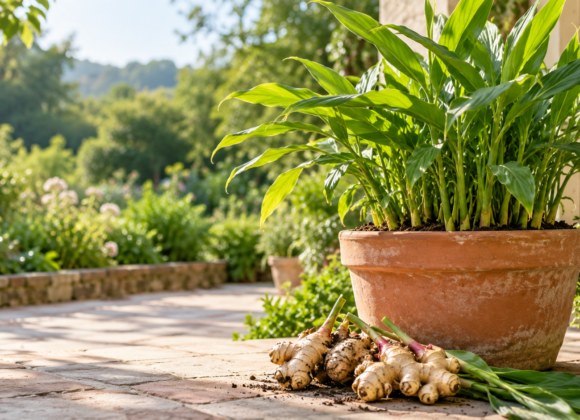
Organic vegetable gardening means growing food without synthetic sprays or fertiliser, and instead building a living soil that feeds plants naturally. It is a slower, more observant way to garden, but the rewards are healthier soil, more wildlife, and vegetables you can pick and eat straight from the plant. With compost, rotation and a few …