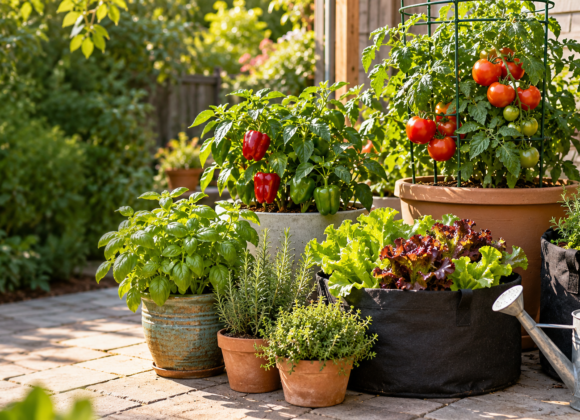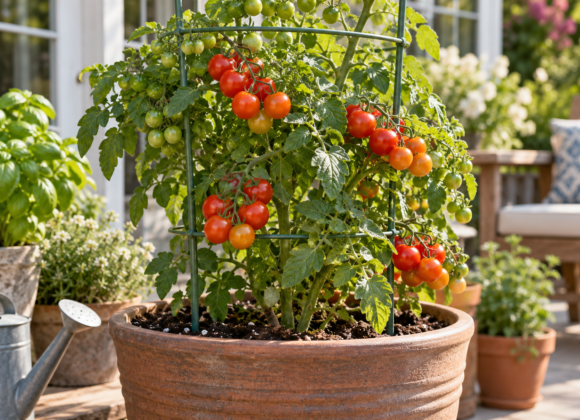
Good vegetable gardening is less about expensive equipment and more about a few steady habits repeated through the season. Small actions, such as mulching, watering at the right time, and checking leaves regularly, add up to stronger plants and heavier harvests. These practical tips will help you keep a productive garden whether you grow in beds, raised beds or containers.
Quick Answer
- Succession sow fast crops every 2 weeks for a continuous supply.
- Mulch 2 to 3 inches deep to hold water and stop weeds.
- Water in the morning at the base of the plant.
- Feed the soil with compost each season.
- Check leaves weekly for pests before they spread.
Step by Step
- Sow little and often. Instead of planting a whole row at once, succession sow fast crops such as lettuce, radishes and salad leaves every 2 weeks. This avoids a glut followed by a gap, and keeps fresh leaves coming all season.
- Mulch generously. Spread 2 to 3 inches of straw, shredded leaves or compost around plants, keeping it slightly away from stems. Mulch holds moisture, cools the soil, suppresses weeds, and slowly feeds the soil as it breaks down.
- Water in the morning at the base. Morning watering gives leaves time to dry during the day, which reduces disease, and watering at the base puts moisture where roots need it. Water deeply rather than sprinkling the surface.
- Feed the soil every season. Top up beds with compost before planting and again between crops. Healthy soil grows healthy plants, and compost improves drainage in clay and water holding in sand.
- Inspect leaves every week. Turn over a few leaves and look for aphids, caterpillars, eggs and spots. Catching pests early means you can often remove them by hand or with a jet of water before they damage the crop.
- Keep records and rotate. Note what grew well, where it grew, and when it was ready. Rotating crop families to a different bed each year helps prevent soil-borne problems building up.
Common Mistakes to Avoid
- Overwatering leaves in the evening, which invites slugs and fungal disease.
- Skipping mulch and then fighting weeds and dry soil all summer.
- Ignoring the first signs of pests until they have spread across the whole bed.
Related Guides
Finally, keep the garden enjoyable and manageable by doing a little each day rather than leaving everything for the weekend. Ten minutes of watering, picking and checking plants will keep you close to your crops and help you spot problems while they are still small.