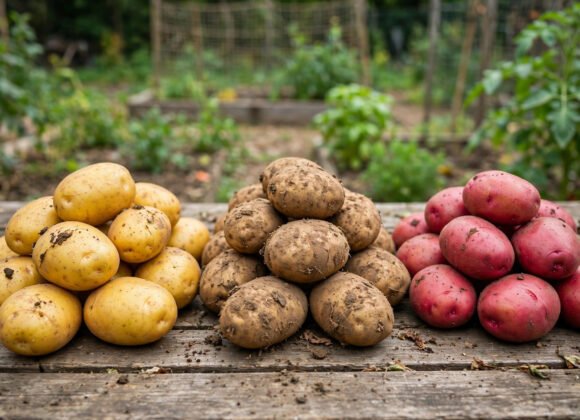
Early season potatoes are the quickest potatoes you can grow, and they are ready to dig in about 60 to 80 days from planting. Potato varieties are grouped by how fast they mature, not by their colour, and the three groups are early, midseason and late. Early potatoes come first, midseason potatoes follow, and late season potatoes take the longest but store the best. This guide explains what each group means, how many days each one takes, and how to mix them for a longer harvest.
Table of Contents
What is an early potato?
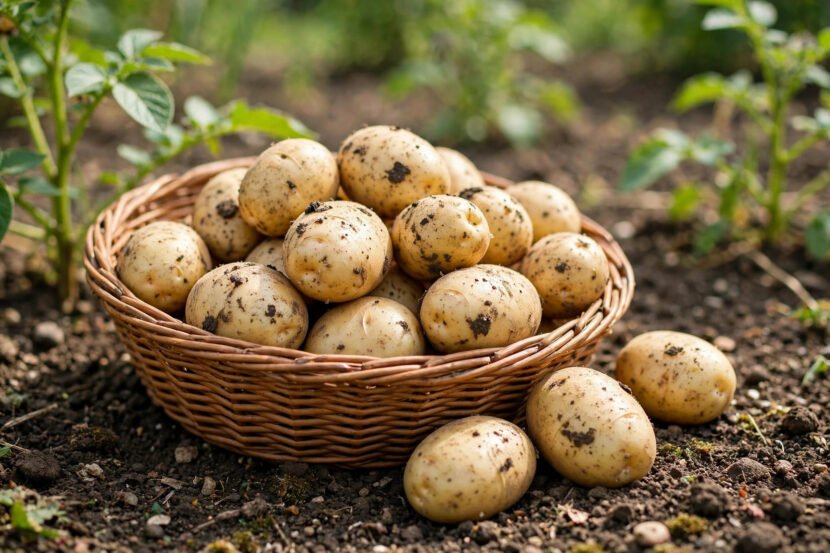
An early potato is a variety that matures fast, usually in 60 to 80 days from planting. Early season potatoes are dug young, while their skins are still thin and tender, and gardeners often call these young tubers new potatoes. The plants stay smaller than late varieties, so the yield per plant is usually lower. That trade is worth it when you want the first potatoes of the summer, or when your growing season is short.
Days to maturity means the number of days from planting to harvest, and seed catalogues print the potato days to maturity for every variety. The number is a guide, not a promise, because cold weather slows growth and warm weather speeds it up.
The three maturity groups at a glance
| Group | Days to maturity | Example varieties | Best for |
|---|---|---|---|
| Early | 60 to 80 days | Red Norland, Irish Cobbler, Superior | New potatoes and the first harvest |
| Midseason | 80 to 100 days | Yukon Gold, Kennebec, Purple Majesty | All-purpose use and good yields |
| Late | 110 days or more | Russet Burbank, Katahdin, Gold Rush | Storage through the winter |
These day ranges are the standard maturity classes from University Extension guides, and they vary with weather and zone. Utah State University Extension groups potatoes by maturity class into early, mid-season and late. Kansas State University Extension lists Red Norland, Irish Cobbler and Superior among the common varieties for home gardens, and North Dakota State University Extension names Dark Red Norland and Yukon Gold as good choices for northern gardens.
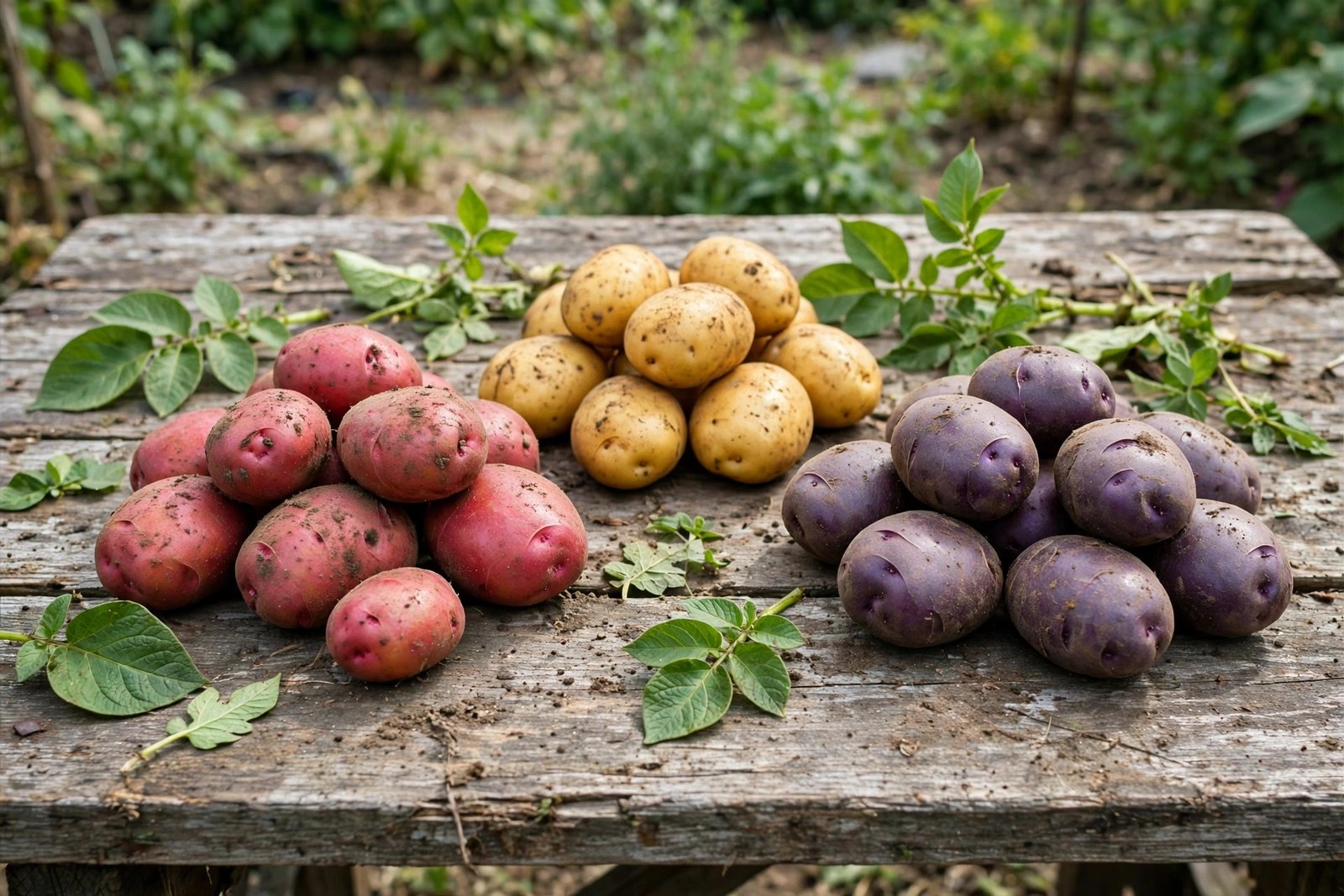
Early season potatoes in detail
How long do early potatoes take? Early season potatoes take about 60 to 80 days from planting to harvest, and you can dig the first new potatoes even sooner. The University of Minnesota Extension says you can dig new potatoes about seven to eight weeks after planting. Those first tubers are small and tender, so eat them within a few days of digging.
Early season potatoes suit gardeners with short summers, because they finish before the hottest weather arrives. They also suit small gardens, because you can dig them early and use the bed for a second crop. If you want them even earlier, chitting gives them a head start, and our guide on chitting and cutting seed potatoes shows how to pre-sprout seed before planting.
The most common early varieties are Red Norland, Irish Cobbler and Superior. Red Norland is a red-skinned variety with white flesh, widely grown in the northern USA.
Midseason potatoes
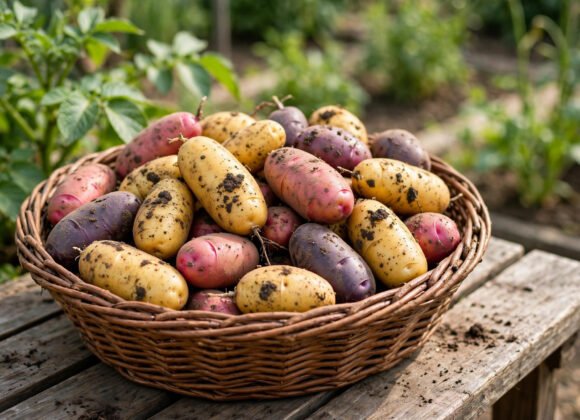
Midseason potatoes take about 80 to 100 days, and they sit in the middle of the three groups. Early season potatoes beat them to the table by two or three weeks, but midseason types usually give a bigger yield per plant, because they grow longer before they mature. Yukon Gold is the best known midseason potato. Kennebec is a white-skinned midseason variety, and Purple Majesty is a midseason purple variety covered in our guide on purple potatoes.
A common question is how a 90 day potato compares with a 120 day potato. A 90 day potato belongs to the midseason group, and a 120 day potato belongs to the late group, so the difference is about a month of growing time. That month matters in a short season, because a late potato may not finish before the first frost. Match the group to your season length, because the days to maturity should fit inside your frost-free days.
Late season potatoes
Late season potatoes take 110 days or more, and they need the longest growing season of the three groups. Unlike early season potatoes, which are dug young, late types are left in the ground until the vines die back and the skins have set thick and firm. That thick skin is why late potatoes store so well, and why growers who want a winter supply plant mostly late types.
The best late potatoes for storage are the ones that mature fully and cure well, and Russet Burbank, Katahdin and Gold Rush are good examples. The University of Minnesota Extension advises growers who want potatoes for storage to choose a variety known for storability. After digging, cure them for 2 to 3 weeks in a dark, ventilated place at about 55 to 60 degrees Fahrenheit, then store them in the dark at 40 to 45 degrees Fahrenheit.
Hill soil around the stems as the plants grow, because it keeps the tubers covered so sunlight cannot turn them green, and our guide on are green potatoes safe to eat explains why green skin should be cut away or discarded.
New potatoes vs maincrop
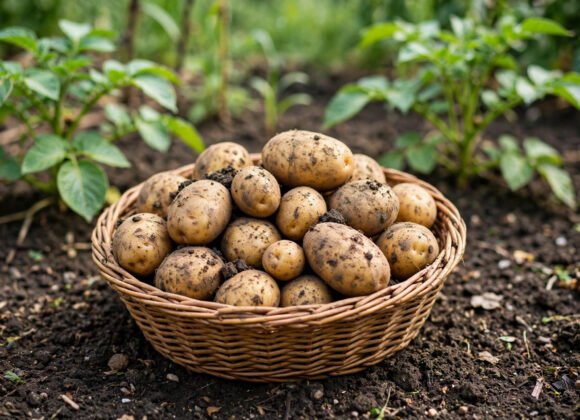
New potatoes and maincrop potatoes are not two different kinds of potato, and they are two different stages of the same plant. New potatoes are young tubers dug early, with thin skins, and they are eaten within days. Maincrop potatoes are mature tubers dug after the vines have died back, with thick skins, and they are cured and stored for months.
Early season potatoes are the usual choice for new potatoes, because they reach that stage first, while maincrop potatoes usually come from midseason and late varieties, because those plants grow longer and produce larger tubers.
How long until potatoes are ready?
How long until potatoes are ready depends on the group you planted and the weather you had. Early season potatoes are ready in 60 to 80 days, midseason potatoes in 80 to 100 days, and late potatoes in 110 days or more. Those numbers count from the day you planted, so keep your planting date written down.
Flowering gives you a rough sign, because new potatoes are usually ready about 2 to 3 weeks after the plants flower. Mature potatoes are ready when the vines yellow and die back. The surest check is a test dig, where you gently dig beside one plant and look at the size of the tubers. Our guide on how to harvest potatoes shows how to dig without damaging the tubers, and it explains why you should dig on a dry day. The full planting method, including depth and spacing, is in our guide on how to plant potatoes.
Can I plant early and late together?
You can plant early and late potatoes together, and many gardeners do it on purpose. Plant them on the same day in separate rows, so you can dig the early rows first without disturbing the late rows. Early season potatoes will be ready while the late plants are still growing, and the late rows will keep growing after the early rows are empty. That sequence gives you fresh potatoes over several months instead of one big harvest on one day.
Keep the rows labelled, because the plants look alike above ground and it is easy to forget which row is which.
FAQ
Can I plant early and late together?
Yes, you can plant early and late potatoes on the same day in separate rows. Early season potatoes will be ready first, and the late rows will keep growing after the early rows are dug, so your harvest stretches over several months.
Do early potatoes store well?
No, early potatoes do not store as well as late potatoes. Early season potatoes have thin skins, so they are best eaten within days or weeks of digging. For storage potatoes, grow a late variety such as Russet Burbank or Katahdin, cure the tubers for 2 to 3 weeks, and store them in a cool, dark place.
When are new potatoes ready?
New potatoes are ready about 7 to 8 weeks after planting, or about 2 to 3 weeks after the plants flower. Dig one plant gently to check the size, and if the tubers are still very small, wait another week before you dig more.
What is an early potato?
An early potato is a variety that matures in 60 to 80 days from planting. Early season potatoes are dug young as new potatoes, with thin, tender skins, and they are the first potatoes you can harvest in the summer.
Are late potatoes better for storage?
Yes, late potatoes are better for storage than early or midseason potatoes. Late potatoes mature fully and develop thick skins that protect them during months of storage. Cure them for 2 to 3 weeks at about 55 to 60 degrees Fahrenheit, then store them in the dark at 40 to 45 degrees Fahrenheit.